
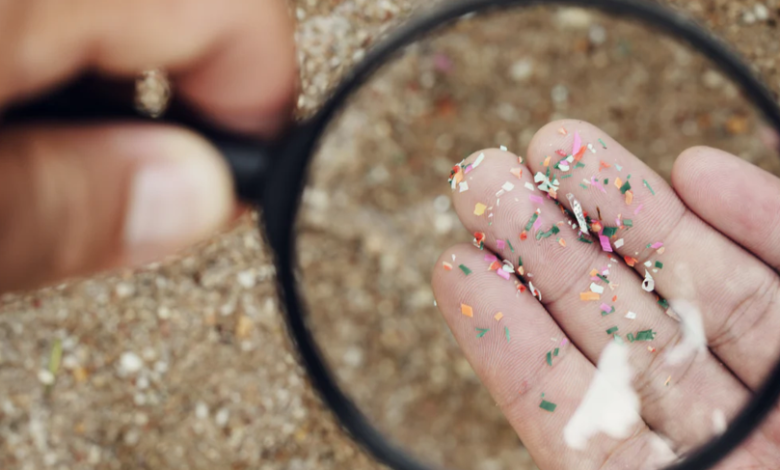
Plastic pollution is no longer confined to oceans and landfills it’s now in the air we breathe and the rain that falls from the sky. https://pafikutaikab.org/ the media reported that recent studies have found microscopic plastic particles, or microplastics, floating in the atmosphere and even deposited through rainfall in cities and rural areas alike. While these particles are invisible to the naked eye, doctors warn that their impact on human health, particularly on the lungs, could be far from harmless.
What Are Microplastics and How Do They Reach the Air?
Microplastics are tiny fragments of plastic measuring less than five millimeters. They originate from the breakdown of larger plastic waste, synthetic textiles, vehicle tires, and industrial emissions. Over time, these particles become so small that they can travel through wind currents and attach to dust or water vapor.
“Microplastics are everywhere — not just in oceans, but in the air, food, and even rainfall,” explains Dr. Aditya Mulyono, a pulmonologist at the Indonesian Lung Health Institute. “When they become airborne, they can be inhaled directly into the respiratory system, where they may cause irritation and long-term inflammation.”
Research conducted in several countries, including Japan, France, and Indonesia, has detected microplastics in raindrops and mountain air. These findings suggest that microplastics can travel great distances, carried by wind patterns before settling back onto land or water — or being breathed in by humans.
The Impact on Lung Health
Doctors say inhaling microplastics can have serious consequences over time. Once these particles enter the respiratory tract, the body may struggle to eliminate them. “The lungs are not designed to filter synthetic particles like plastic,” says Dr. Aditya. “Some of them can lodge deep in the airways, triggering inflammation or fibrosis.”
In laboratory studies, exposure to microplastics has been linked to oxidative stress, reduced lung capacity, and increased vulnerability to respiratory diseases such as asthma and chronic obstructive pulmonary disease (COPD). Moreover, smaller nanoparticles — known as nanoplastics — can potentially penetrate the bloodstream, spreading to other organs.
“Repeated or prolonged exposure may alter immune responses in the lungs,” Dr. Aditya adds. “While research is still ongoing, early evidence shows that the respiratory system is one of the first and most affected organs.”
See also: How to Skyrocket Your Instagram Reels Views Effectively
Microplastics in Rainwater: A New Exposure Pathway
Rain, often seen as a natural cleanser for the atmosphere, is now a carrier of pollution. A recent study found that rainwater can contain thousands of microplastic particles per liter. These particles come from industrial pollution, vehicle exhaust, and even synthetic fabrics that release fibers into the air.
“When microplastics are washed down by rain, they don’t disappear,” Dr. Aditya warns. “They settle on soil, crops, and water sources — eventually finding their way back into the human body through food and air.”
How to Protect Yourself
While it’s nearly impossible to avoid microplastics entirely, experts recommend practical steps to reduce exposure:
- Improve indoor air quality by using air purifiers and regularly cleaning dust-prone areas.
- Reduce plastic use, especially single-use packaging and synthetic clothing that releases microfibers.
- Support waste reduction and clean-air initiatives in local communities.
- Use masks or respirators in highly polluted environments or during dust storms.
A Call for Greater Awareness
Doctors and environmental scientists agree that microplastics represent a growing public health challenge that requires urgent global attention. “We must treat microplastics not just as an environmental issue, but as a health crisis,” says Dr. Aditya. “The air we breathe should sustain us — not slowly poison us.”
As microplastics continue to spread through the air and rain, the line between environmental pollution and human health is becoming increasingly blurred. The invisible threat may be small, but its impact on our lungs — and our future — could be enormous.
Source: pafikutaikab.org

